"Discover the Power of Pumpkin Seeds: A Natural Approach to Parasite Prevention and Digestive Health"

One might wonder about the secret prowess of pumpkin seeds in the realm of natural health solutions. These small yet mighty seeds pack an impressive nutritional punch that contributes significantly to overall well-being. High in fiber and rich in essential nutrients, they serve as a beneficial addition to any diet aimed at promoting a healthy lifestyle. Pumpkin seeds are particularly known for their historical use in preventing and managing parasites. This legacy stems from their natural compounds that create an undesirable environment for these unwelcome guests.
Throughout history, cultures have turned to these seeds for various healing properties. Within this context lies the remarkable ability of pumpkin seeds to provide a natural guard against parasitic invasion. Their unique composition makes them an ally in the pursuit of maintaining intestinal health. In contrast to synthetic solutions, pumpkin seeds offer a gentle, plant-based approach to keeping the body in balance. They are not only a dietary delight but also a strategic choice for supporting natural health.
Exploring the nutritional profile of pumpkin seeds reveals why they hold such esteemed status in health circles. The seeds boast a wealth of zinc and other vital minerals, forming a natural barrier against parasites. This dense nutritional profile enhances immune function, playing a pivotal role in preventing potential infestations. Moreover, their antioxidant properties further bolster the body's defenses, providing an added layer of protection.
Overall, incorporating pumpkin seeds into one's diet can be a simple yet effective strategy for those seeking a natural ally in parasite prevention. The journey toward improved health is often enhanced by this small but powerful seed. In the sections that follow, discover the various ways pumpkin seeds can be utilized and delve deeper into the science behind their remarkable properties.

Delving into the nutritional aspects of pumpkin seeds unveils a treasure trove of health benefits with a focus on parasite prevention. These benefits primarily derive from a constellation of nutrients found in the seeds, working synergistically to enhance their efficacy. Among these, the presence of cucurbitacin stands out as a critical component. Cucurbitacin contributes to pumpkin seeds' ability to deter parasites, marking its prominence in natural health remedies.
The seeds contain high levels of zinc, a mineral widely recognized for its role in maintaining a robust immune system. This mineral not only supports immune health but also assists in maintaining a healthy barrier against parasites. Another important factor lies in the seeds' richness in antioxidants. These compounds combat oxidative stress in the body, further supporting immune health and enhancing the body's natural defenses.
Fiber plays a significant role as well, aiding in healthy digestion and encouraging regular bowel movement, thereby contributing to a less hospitable environment for parasites. The combination of fiber and healthy fats present in pumpkin seeds supports digestive health comprehensively. Furthermore, the seeds are rich in magnesium, a mineral known for promoting overall well-being, including optimal digestive health.
In conclusion, the nutritional makeup of pumpkin seeds offers a multifaceted approach to maintaining a parasite-free lifestyle. By integrating these seeds into one's dietary regimen, individuals can harness their natural power to fortify body defenses. These nutritional capabilities, seamlessly combined, make pumpkin seeds an appealing option for anyone looking to enhance their health naturally.
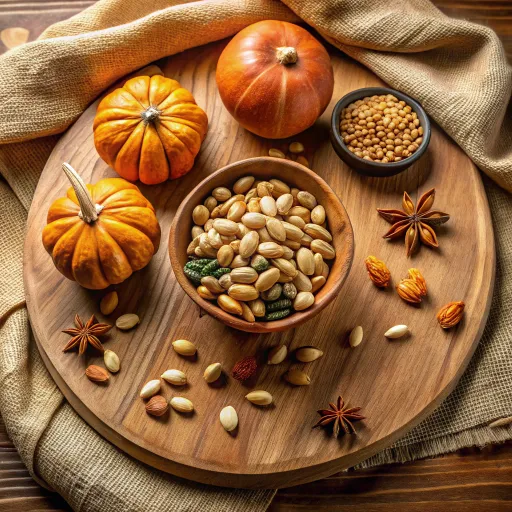
Understanding the scientific basis for the effectiveness of pumpkin seeds provides a clearer picture of their role in parasite prevention. The seeds contain compounds that disrupt parasitic life cycles, hindering their ability to thrive in the digestive system. One primary compound is cucurbitacin, which exerts an anti-parasitic effect through its biochemical interactions.
Research suggests that cucurbitacin weakens parasites, impairing their ability to attach to intestinal walls. This disruption diminishes their capacity to survive, ultimately leading to their expulsion. In addition to cucurbitacin, pumpkin seeds' high zinc content bolsters immune health, providing another line of defense against parasitic invasions. Zinc's role in immune function is well-documented and crucial for maintaining overall health.
Moreover, the fiber in pumpkin seeds aids in mechanical removal of parasites by promoting regular bowel movement. This mechanism complements the anti-parasitic properties of the active compounds, creating a supportive environment conducive to parasite prevention. The seeds' antioxidants also play a non-parasitic role, supporting overall health and enhancing the body's natural resilience.
Thus, the synergistic effect of these components forms the basis of pumpkin seeds' efficacy in combating parasites. By understanding the science behind these seeds, one can fully appreciate their potential as a natural preventive measure. As research continues, the promise of pumpkin seeds in health contexts becomes ever more apparent.

Pumpkin seeds offer a compelling natural solution to the challenge of preventing intestinal parasites. Through their rich nutritional profile and potent active compounds, they provide an effective tool in promoting digestive health. By understanding the benefits and methods of incorporating these seeds into daily life, individuals can harness their potential to safeguard against parasitic threats.
The journey to achieving a healthier lifestyle can be both delicious and rewarding with the inclusion of pumpkin seeds. As an appealing, accessible, and affordable option, these seeds stand out as a remarkable ally in maintaining overall well-being. Embrace the power of pumpkin seeds and discover the profound health transformation they can inspire.